 ARCORA ROBINETS
What Is a Commercial Kitchen Faucet 8 Inch, and Do You Actually Need One at Home?
Vues:4 ClassificationProduct
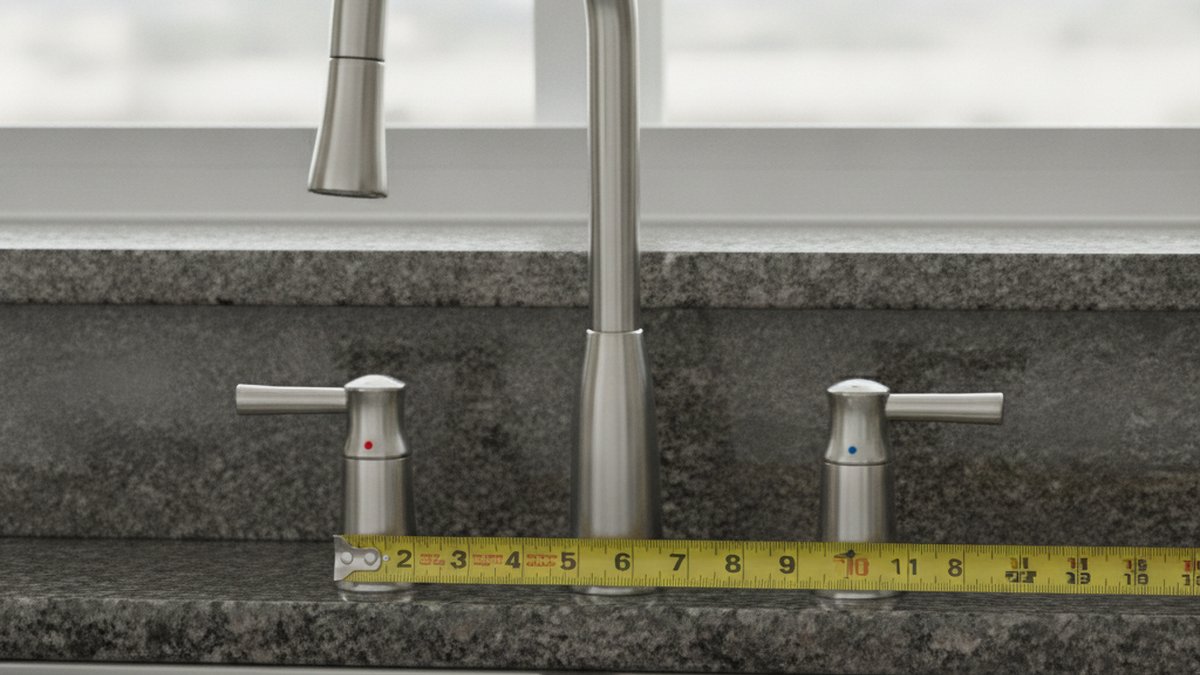
If you’ve been searching for a commercial kitchen faucet 8 inch, you’re almost certainly dealing with one of two things: a two-hole sink or backsplash with holes drilled 8 inches apart, or a restaurant-style, spring-neck faucet you want to bring into a home kitchen. The « 8 inch » almost never means the faucet is 8 inches tall — it means the center-to-center distance between the two mounting shanks is 8 inches. Get that number wrong and the faucet physically will not bolt down. Get it right, and you unlock some of the toughest, highest-flow, easiest-to-repair faucets on the market.
At arcorarobinet we sell and test both residential and light-commercial fixtures every week, and the 8-inch commercial style is one of the most misunderstood in the catalog. Below, we’ll answer the exact questions people actually ask before buying one — what « 8 inch » measures, whether it fits a home sink, deck-mount vs. wall-mount, flow rates, and how to install it without a plumber.
What does « 8 inch » actually measure on a commercial kitchen faucet?
The 8 inches is the distance between the centers of the two mounting holes — the hot and cold shanks — measured hole-center to hole-center. This is called the « center-to-center » or « adjustable centers » spacing, and 8 inches is the dominant standard in commercial and food-service plumbing.
This matters because faucets are sold by their hole spacing, not by how they look. In residential kitchens you’ll see three common layouts, and mixing them up is the #1 reason a faucet gets returned:
| Configuration | Center-to-center spacing | Where you’ll see it |
|---|---|---|
| Single-hole | One hole only | Modern residential pull-down faucets |
| Centerset (4″) | 4 inches | Small bathroom/bar sinks |
| Widespread / 8″ commercial | 8 inches (often adjustable 7.5″–8.5″) | Commercial kitchens, prep sinks, pre-rinse units |
| Wall-mount commercial | 8 inches (built-in wall inlets) | Restaurants, utility rooms, pot-filler stations |
Many true commercial 8-inch faucets have a small amount of built-in adjustment — the inlets can flex to cover anything from about 7.5 to 8.5 inches — which is a lifesaver when a sink was drilled slightly off-spec. Always confirm the spec sheet lists « 8 in. adjustable centers » before you buy.
Will a commercial kitchen faucet 8 inch fit my home sink?
Only if your sink or countertop has exactly two holes drilled 8 inches apart (center to center). If you have a single-hole sink or a standard 4-inch centerset, an 8-inch commercial faucet will not fit without re-drilling or a deck plate — and most stainless and granite sinks can’t simply be re-drilled at home.
Here’s the honest reality check most product pages skip. Home kitchens overwhelmingly ship with either one hole or a set of holes on 4-inch centers. The 8-inch commercial spacing is genuinely common in three home situations:
- Fireclay, cast-iron, or older drop-in sinks that came with widespread/8-inch drilling.
- Custom stainless prep sinks or island bar sinks ordered with 8-inch centers on purpose.
- Wall-mounted installs where the water inlets are roughed into the wall on 8-inch centers rather than through the sink deck.
Before you order anything, put a tape measure across your existing holes. Measure from the dead center of one hole to the dead center of the other. If it reads 8 inches (or very close), you’re in business. If it reads 4 inches, you need a 4-inch centerset instead — and if you’re dealing with that smaller layout on a bar or prep station, our guide to the best bar sink faucet one-hole setup walks through the alternatives.
Deck-mount vs. wall-mount 8-inch commercial faucet — which is right for me?
Choose deck-mount if your water lines come up through the sink or countertop; choose wall-mount if your supply lines are roughed into the wall behind the sink. Both use 8-inch centers, but they solve completely different plumbing situations, so the decision is made by where your pipes are — not by looks.
Deck-mount 8-inch faucets are the more common home choice. They bolt down through two holes in the sink or counter, and the supply lines connect underneath. Wall-mount commercial faucets thread onto two water inlets already sitting in the wall on 8-inch centers — the classic look above a big farmhouse or utility sink, and the easiest to keep the deck clean around.
| Feature | Deck-mount 8″ | Wall-mount 8″ |
|---|---|---|
| Where water lines are | Up through sink/counter | Roughed into the wall |
| Countertop cleanup | Two shanks to clean around | Nothing on the deck |
| Install difficulty | Easier — standard supply lines | Harder — must align to wall inlets |
| Best for | Retrofits, existing 8″ sinks | New builds, farmhouse/utility sinks |
If you’re leaning toward the wall-mount route, don’t underestimate the alignment step — the faucet inlets must line up perfectly with the wall stubs. We cover the exact process in how to install a wall mounted tap without hiring a plumber, and if you’re comparing premium wall-mount options specifically, the wall mount faucet Grohe setup guide is worth a read before you commit.
Why do people put a commercial 8-inch faucet in a home kitchen at all?
Because commercial faucets are built tougher, flow harder, and are far easier to repair than most residential models. The trade-off is a bigger, more industrial look and a higher flow rate you need to check against local water rules.
The appeal is real and practical, not just aesthetic:
- Durability: Commercial-grade faucets use solid brass bodies and ceramic-disc cartridges rated for tens of thousands of cycles — they’re designed for a restaurant’s abuse, so a home kitchen barely stresses them.
- High flow and tall clearance: That signature spring-neck or gooseneck spout gives you the height to fill stockpots and rinse sheet pans. Many commercial pre-rinse units flow strong enough to blast baked-on grease off a pan in seconds.
- Serviceability: Parts are standardized. Handles, springs, and cartridges are widely available, so a repair is usually a quick cartridge swap rather than a whole-faucet replacement.
- Color-coded handles: The classic red/blue lever handles aren’t just style — they meet commercial identification standards.
The one thing to watch is flow rate. Residential faucets in the U.S. are typically capped at 1.8 gallons per minute (GPM) by aerator, while some commercial units run 2.2 GPM or higher. That’s great for filling pots but can push past what some water-efficiency codes allow for residential installs. Most quality commercial faucets ship with a swappable aerator so you can dial the flow down — if you want to understand exactly which number to target, our breakdown of kitchen faucet aerator flow rate explains what you actually need for a home sink.
What flow rate, finish, and spout should I look for on an 8-inch commercial faucet?
For a home kitchen, look for a 1.8–2.2 GPM aerated flow, a solid-brass body with a durable chrome or stainless finish, and a gooseneck or spring-neck spout tall enough to clear your tallest pot. Those three specs cover 90% of what makes an 8-inch commercial faucet a joy or a headache to live with.
On finishes, commercial faucets overwhelmingly come in polished chrome or brushed stainless — and there’s a good reason for that. Both are extremely corrosion-resistant, hide water spots reasonably well, and match stainless sinks and appliances. Chrome in particular is the workhorse of the commercial world because it’s tough, cheap to maintain, and easy to wipe down; if you’re weighing it against trendier options, we made the full case in is a chrome faucet good, or should you pay more for a trendier finish?
Spout style is the other big decision:
- Gooseneck (rigid arch): High clearance, sleek, and stays put — best for everyday home use.
- Spring-neck / pre-rinse: The tall coiled spring with a spray hose. Maximum power and reach, but it’s big and loud — it looks and behaves like a restaurant unit.
- Swing spout: A straight horizontal spout that pivots side to side. Common on bar and prep stations where clearance matters less.
Whatever you pick, make sure the spout swings across your whole sink and clears any window or upper cabinet above the deck. Measure the vertical space you have before you fall in love with a 24-inch spring-neck tower.
How do I install a commercial kitchen faucet 8 inch myself?
For a deck-mount 8-inch faucet, you shut off the water, drop the two shanks through the 8-inch holes, secure the mounting nuts from below, connect the color-coded supply lines to hot and cold, then turn the water back on and check for leaks. Most confident DIYers finish in under an hour.
Here’s the reliable sequence:
- Shut off the supply. Close both under-sink stop valves and open the old faucet to relieve pressure.
- Remove the old faucet (if replacing) and clean the deck around both holes.
- Confirm your centers. Re-measure 8 inches center-to-center and set the new faucet’s adjustable inlets to match.
- Drop it in. Feed the two shanks through the holes, add the gaskets/deck plate, and hand-tighten the mounting nuts from underneath.
- Connect supply lines. Attach hot to the left (usually red), cold to the right (blue). Confirm the thread type matches your stop valves so you don’t cross-thread.
- Tighten, then test. Snug the mounting nuts, open the stops slowly, and check every joint for drips. Run hot and cold for a full minute.
The single most common install mistake isn’t the faucet itself — it’s mismatched supply connections that cross-thread and weep. If you’re not 100% sure what fitting you have, read what faucet supply line thread type you actually need before you tighten anything. Wall-mount versions add one extra challenge: the faucet’s inlet spacing must exactly match the wall stubs, so dry-fit before you seal.
Author note & why you can trust this
Written by the arcorarobinet product team. We’re a dedicated faucet and bathroom-fixtures brand, and every fixture we recommend is bench-tested for flow, cartridge cycle life, and finish durability before it reaches a customer’s cart. Commercial and light-commercial faucets we carry are specified against NSF/ANSI food-service standards where applicable, use ceramic-disc cartridges validated to industry cycle-life testing, and are backed by manufacturer warranties (commonly limited lifetime on the finish and function for residential use). When we say a faucet holds up, it’s because we’ve cycled it, measured it, and stood behind the warranty — not because a spec sheet said so.
FAQ
Does « 8 inch » mean the faucet is 8 inches tall?
No. On a commercial kitchen faucet, « 8 inch » refers to the center-to-center spacing between the two mounting holes — the hot and cold shanks — not the height of the spout. Commercial spouts are usually much taller than 8 inches. Always match the 8-inch spacing to your sink’s drilled holes before buying.
Can I convert a single-hole sink to fit an 8-inch commercial faucet?
Not easily. A single-hole sink has one opening, so you’d need to drill two new holes on exact 8-inch centers, which is risky on stainless and usually impossible on tempered glass or some granite without cracking. It’s almost always cheaper and safer to buy a single-hole faucet instead, or start with a sink already drilled for 8-inch centers.
Are commercial 8-inch faucets legal for home use with water-efficiency codes?
Usually yes, as long as the aerator keeps the flow within your local limit — commonly 1.8 GPM in stricter states and up to 2.2 GPM elsewhere. Many commercial faucets ship at 2.2 GPM but include a swappable aerator so you can drop the flow to meet residential code. Check your local plumbing code and confirm the faucet’s aerator is replaceable.
Deck-mount or wall-mount — which is easier to install?
Deck-mount is easier for most homeowners because it uses standard under-sink supply lines and forgiving flexible connectors. Wall-mount requires your faucet inlets to align perfectly with water stubs already in the wall, which leaves no room for error. If your walls aren’t already plumbed on 8-inch centers, deck-mount is the far simpler retrofit.
What maintenance does a commercial kitchen faucet need?
Very little. Wipe the finish with mild soap and water, unscrew and rinse the aerator every few months to clear mineral buildup, and replace the ceramic-disc cartridge if you eventually get a drip — a five-minute job on most commercial units. Their standardized, widely available parts are a big reason they last so long.
Why is my new commercial faucet flowing weaker than expected?
The most common cause is a clogged aerator or debris caught in the lines after install — always flush the supply lines before connecting a new faucet. If flow is fine on cold but weak on hot (or vice versa), check that both supply lines are fully open and correctly connected. A low-GPM aerator installed for code compliance will also reduce flow by design.



您好!Veuillez vous connecter