 ARCORA ROBINETS
Is a Wall Mount Faucet Grohe Setup Right for Your Bathroom, and How Do You Choose One?
Vues:2 ClassificationProduct
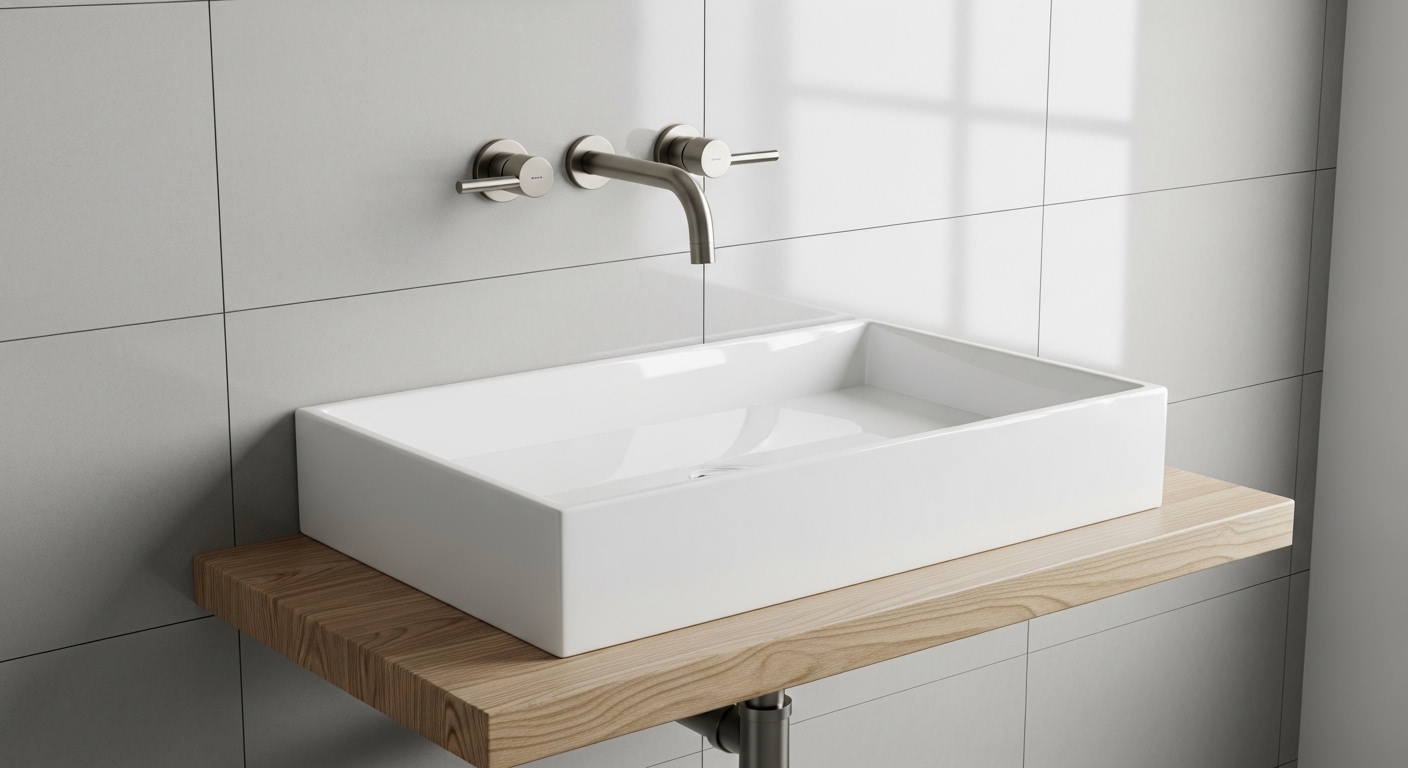
If you’ve been searching for a wall mount faucet Grohe option, you’re usually after one thing: that floating, spout-comes-out-of-the-wall look that makes a vessel sink or a freestanding tub feel like a boutique hotel. Grohe is one of the brands most people name first here, partly because German engineering and ceramic cartridges have a real reputation, and partly because their wall-mounted lines (think Essence, Allure, Atrio, Lineare) photograph beautifully. This guide walks through when a wall-mounted faucet actually makes sense, how Grohe compares to the alternatives, what the rough-in really involves, and how to avoid the two mistakes that ruin most installs.
What exactly is a wall mount faucet, and how is it different from a deck-mount?
A wall mount faucet has its spout and handle(s) fixed to the wall above the basin instead of onto the sink deck or countertop. The water supply lines and the valve body live inside the wall cavity; only the trim — spout, handles, escutcheons — shows on the surface. A deck-mount faucet, by contrast, bolts down through holes in the sink or counter and hides its plumbing in the cabinet below.
That single difference changes almost everything about installation. With a deck-mount, you can swap a faucet in an afternoon with a basin wrench. With a wall mount, the valve has to be positioned inside the wall before the wall is closed and tiled, which is why these are far easier to plan into a renovation than to retrofit into a finished bathroom. It also changes cleaning: no gunk trap where the faucet base meets the sink, and you wipe the whole countertop in one pass.
- Deck space: Wall mount frees the entire counter or tub deck — ideal for vessel sinks and freestanding tubs.
- Cleaning: No crevice at the sink deck where limescale and grime collect.
- Reach and height: You control exactly how high above the basin the spout sits and how far it projects.
- Difficulty: Requires in-wall valve work and precise rough-in; not a beginner swap.
Is a wall mount faucet Grohe model worth the extra cost over a cheaper brand?
For most buyers, yes — if you value the cartridge and the finish warranty, a wall mount faucet Grohe model earns its price; if you just want the look on a tight budget, a well-reviewed mid-tier brand will get you 80% of the way there. Grohe’s edge isn’t the styling (plenty of brands copy the minimalist wall-mount look). It’s the internals: Grohe’s SilkMove ceramic cartridges are genuinely smooth and tend to stay drip-free for years, and their StarLight and Grohe’s PVD finishes resist tarnishing and scratching better than budget chrome plating.
Where a wall mount matters most is behind the wall, and this is the real argument for spending up. The trim you see is easy to replace later; the rough-in valve buried in your tile is not. Paying for a reliable valve body from a brand with strong parts availability means that if a cartridge ever fails a decade from now, you can fix it from the front without opening the wall. That’s the same logic behind checking a bathroom faucet UPC code before you buy — the certification and part traceability behind a faucet matter more on a wall mount because the plumbing is permanent.
| Factor | Grohe wall mount | Mid-tier brand ($120–$250) | Budget import (<$100) |
|---|---|---|---|
| Cartridge | SilkMove ceramic, very smooth | Ceramic disc, decent | Ceramic or rubber, inconsistent |
| Finish durability | StarLight / PVD, tarnish-resistant | Good chrome, fair PVD | Thin plating, chips over time |
| Parts availability | Excellent, long-term | Good | Often none after 2–3 years |
| Warranty | Limited lifetime (residential, varies by region) | 5–10 years typical | 1 year or none |
| Typical price (trim + rough) | $300–$700+ | $120–$250 | $50–$100 |
One thing to know: Grohe usually sells the trim kit and the concealed rough-in valve separately. That trips people up — you order the pretty spout and handles, then discover you also need the specific Grohe rough-in body (for example, a Grohe concealed valve) sized for your configuration. Always confirm both parts are in your cart before you check out.
What’s the right rough-in height and spout projection for a wall-mounted faucet?
For a bathroom sink, aim to place the spout so it clears the basin rim by about 2–5 inches and the water lands near the drain — for a typical vessel sink that usually means the spout outlet sits roughly 6 inches above the counter, but the exact number depends on your basin’s height. For a wall-mounted tub filler, the spout typically sits a few inches above the tub rim. The key is that you can’t eyeball this after the fact, because the valve position is locked in when the wall is closed.
Here’s the workflow that prevents regret: pick your sink first, then your faucet, then calculate the rough-in. Measure the basin height, decide where you want water to hit (aim slightly behind center of the drain so it doesn’t splash the front rim), and mark the valve center accordingly. Grohe’s rough-in valves have an adjustment range and a plaster guard that sets the finished wall depth, so you get some tolerance — but not enough to fix a spout mounted 4 inches too low. If you’re also planning tub plumbing nearby, our guide on the correct tub spout rough-in height walks through the same measure-twice logic for tub fillers.
- Choose the sink or tub first so you know the rim height.
- Pick the faucet and note its spout projection (how far it reaches out from the wall).
- Confirm spout projection clears the basin — water should land near the drain, not the front lip.
- Set valve center height so the spout sits 2–5 inches above the rim for a sink.
- Install the rough-in and set the plaster guard to your finished wall (tile) thickness.
- Pressure-test before you tile — this is your last easy chance to catch a leak.
Can you install a wall mount faucet in an existing bathroom without a full remodel?
Sometimes, but it’s real work — you can retrofit a wall mount faucet if you’re willing to open the wall behind the sink to run supply lines and set the valve, which usually means removing and re-tiling a section. It is not a swap-in-place upgrade like changing a deck faucet. If your bathroom is on the other side of an accessible closet or an unfinished basement/garage wall, the job gets much easier because you can work from behind.
Be honest with yourself about scope. If the wall is finished tile over a wet area, you’re looking at demo, plumbing, waterproofing, and tile repair — at that point you’re doing a mini-remodel, and it’s often the moment people decide to redo the whole vanity wall. If that’s not in the budget, a bar faucet wall mount setup on a secondary/prep sink, or a deck-mounted faucet that mimics the tall, arched look, can give you a similar vibe with a fraction of the labor. Wall mounts genuinely shine when they’re planned into new construction or a gut renovation.
Which finish should you pick, and does chrome still make sense in 2026?
Chrome is still the safest, most durable, and easiest-to-match finish for a wall mount faucet, but brushed nickel and matte black have overtaken it in popularity for design-forward bathrooms. Grohe offers all three plus warm tones. The right pick depends on your hardware, your water, and how much cleaning you want to do.
- Chrome (StarLight): Toughest, cheapest, hides water spots reasonably, matches almost anything. If you’re unsure, chrome is a smart default — we make the full case in our piece on whether a chrome faucet is good.
- Brushed nickel: Warm, soft sheen, best at hiding fingerprints and water spots — great for hard-water homes.
- Matte black: Bold and modern, but shows limescale and dried water droplets more; wipe it down regularly.
- Warm bronze/brass tones: Beautiful with warm palettes; confirm it’s a PVD finish for longevity.
If you live with hard water, finish choice interacts with the whole spout and cartridge story. Brushed finishes forgive spotting; polished ones show every droplet. And the underlying brass componentry matters for corrosion resistance over the years — the same reason it pays to understand what a brass faucet socket is and why solid-brass construction outlasts pot-metal in a wet wall.
Single-handle or two-handle: which wall mount configuration should you get?
Choose a single-handle wall mount if you want easy one-hand temperature control and a simpler rough-in; choose a widespread two-handle (separate hot and cold) if you love the classic, symmetrical look and don’t mind a more involved install. Both are widely available in Grohe’s wall-mounted lines.
Two-handle widespread wall mounts have three separate wall penetrations (hot, spout, cold), so they demand more precise rough-in planning and give you less margin for error — but they deliver that timeless, balanced aesthetic on a vessel sink or a vanity. Single-handle mixers are more forgiving and increasingly the modern default. If you’re weighing ergonomics generally, our breakdown of whether one or two handle faucets are better applies directly to wall mounts too — the tradeoffs are the same, just with the plumbing hidden in the wall.
How do you keep a wall-mounted Grohe faucet working for years?
Maintenance is mostly about the cartridge and the aerator, and both are serviceable from the front without opening the wall — which is the whole point of buying a valve with good parts support. A wall mount faucet Grohe cartridge (SilkMove) can be pulled and replaced with the trim off; the aerator unscrews from the spout tip for descaling.
- Descale the aerator every few months in hard-water areas — soak it in white vinegar to restore flow.
- Replace the cartridge if you get a persistent drip or the handle gets stiff; match the exact Grohe cartridge model.
- Shut off at the concealed valve stops (if your rough-in has them) so you never need to kill the whole house water for a repair.
- Wipe the finish with a soft cloth and mild soap; skip abrasive or acidic cleaners that dull PVD and chrome.
Author note & why you can trust this guide
This guide was written by the fixtures team at arcorarobinet, where we’ve specified, installed, and serviced wall-mounted and deck-mounted faucets across hundreds of residential bathroom projects. Our recommendations lean on hands-on install experience, manufacturer rough-in documentation, and the plumbing standards that govern these products — reputable faucets carry certifications (such as those tied to NSF/ANSI and cUPC listings) and finish/valve warranties, and we always tell buyers to verify those listings and register the warranty before the wall gets closed. We’re brand-agnostic: we sell and service many lines, so our goal is the faucet that fits your bathroom and water, not the one with the biggest margin.
FAQ
Does Grohe sell the rough-in valve with the wall mount faucet, or separately?
Usually separately. Most Grohe wall-mounted faucets are sold as a trim kit (spout, handles, escutcheons) plus a concealed rough-in valve body you order on its own. Confirm both are in your order and that the rough-in matches your specific faucet and configuration before you buy.
How high above the sink should a wall mount faucet be installed?
For a bathroom sink, position the spout outlet about 2–5 inches above the basin rim so water lands near the drain, not the front lip. The exact valve height depends on your basin’s height, which is why you should choose the sink first, then set the rough-in.
Can I put a wall mount faucet on any sink?
Only on sinks without deck-mount faucet holes, or where those holes will be hidden or unused — vessel sinks and undermount basins are ideal. The critical requirement is in-wall plumbing behind the sink, not the sink type itself.
Is a wall mount faucet harder to fix if it leaks?
Not usually. A well-designed wall mount lets you replace the cartridge and aerator from the front with the trim removed — no wall demolition. That’s exactly why buying a valve body from a brand with reliable long-term parts support, like Grohe, pays off over the life of the faucet.
What’s the best finish for a wall mount faucet in a hard-water home?
Brushed nickel or brushed/PVD finishes hide water spots and limescale best, so they look clean with less wiping. Matte black looks striking but shows dried droplets most; chrome is the toughest and most forgiving all-rounder if you’re undecided.
Are Grohe wall mount faucets worth it compared to cheaper look-alikes?
If you care about a smooth, long-lasting cartridge, a durable finish, and parts you can still buy in ten years, yes — the reliability matters more on a wall mount because the valve is permanent. If you only want the look and plan to accept shorter longevity, a well-reviewed mid-tier brand delivers most of the aesthetic for less.



您好!Veuillez vous connecter