 ARCORA ROBINETS
What Is the Best Handheld Shower Head Clip, and How Do You Stop Yours From Slipping?
Vues:0 ClassificationProduct
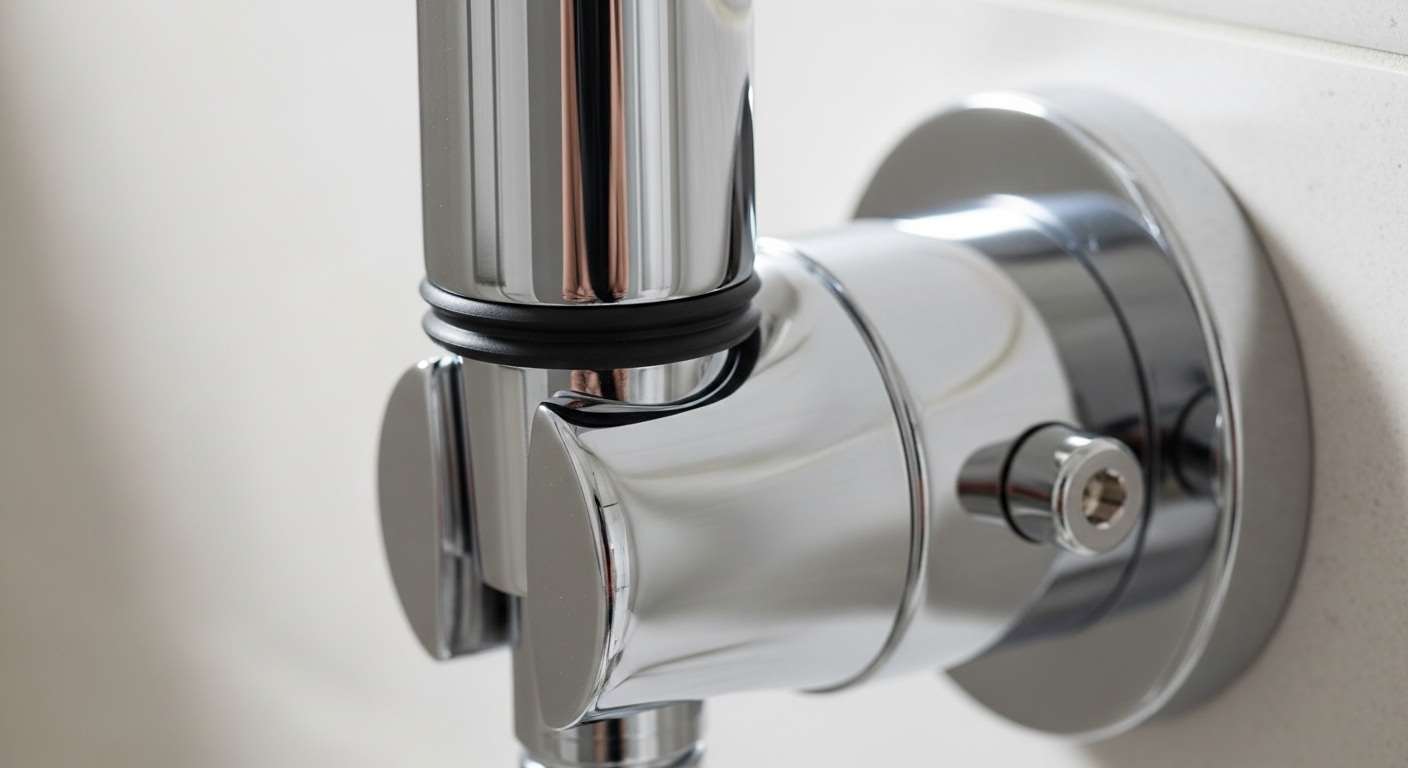
A handheld shower head clip is the small but critical bracket that holds your detachable shower wand in place when you’re not gripping it — and when it fails, your expensive handheld sprayer becomes a $40 paperweight dangling on its hose. If you’ve ever had the wand drop mid-shower, spin sideways and spray the ceiling, or slowly creep downward until it’s pointing at your knees, you already know the clip is doing more work than anyone gives it credit for. This guide breaks down every type of clip, how to pick the right one for your setup, how to install it, and how to fix the slip-and-drop problem for good.
At arcorarobinet, we build and test handheld shower systems and their mounting hardware to real-world durability standards, so we’re going to talk about this the way a plumber friend would — specs, real fixes, and honest trade-offs — not marketing fluff.
What exactly is a handheld shower head clip, and why does it matter so much?
A handheld shower head clip is the cradle or bracket that secures the removable shower wand between uses. It matters because it’s the single point of contact keeping a wet, soapy, downward-pointing sprayer from falling — and unlike the shower head itself, most people never think about it until it breaks.
There are really three jobs a good clip does. First, it holds the weight — a full brass wand plus a water-filled hose can pull with surprising force. Second, it sets the spray angle so water hits you, not the wall or the shower door. Third, it lets you release and re-seat the wand one-handed, because nobody wants to fumble with two hands while covered in shampoo. A cheap clip fails at all three: too loose and it drops, too tight and you can’t remove the wand, wrong angle and you’re forever nudging it.
The confusing part is that « clip, » « bracket, » « holder, » « cradle, » and « wall mount » all get used interchangeably online. Functionally they’re the same category — a mount that grips the neck or handle of the wand — but the mounting method differs, which is where most buyers go wrong.
What are the different types of handheld shower head clips?
There are four main types: shower-arm mounts, adjustable wall brackets, adhesive/suction clips, and slide-bar holders. The right one depends on whether you have an existing shower arm, a tiled wall, or a vertical grab-bar slide.
- Shower-arm mount (over-arm bracket): Screws onto the threaded shower arm that already sticks out of your wall — the same pipe a fixed head would attach to. No drilling, no adhesive. This is the most common and most reliable style for a straight handheld swap.
- Adjustable wall bracket: A pivoting cradle mounted at a separate spot on the wall, letting you tilt the spray angle up or down. Great for households where a tall adult and a child share the same shower.
- Adhesive or suction-cup clip: Sticks to tile or glass with no drilling. Fast and rental-friendly, but the weakest of the four — fine for a lightweight ABS-plastic wand, risky for heavy metal ones.
- Slide-bar holder: A clamp that rides up and down a vertical bar, giving continuous height adjustment. The premium option, and the best for aging-in-place or mixed-height users.
| Clip Type | Install Method | Holds Heavy Metal Wand? | Angle Adjustable? | Best For |
|---|---|---|---|---|
| Shower-arm mount | Threads onto shower arm | Yes | Limited (fixed cradle) | Simple handheld swaps, renters who can’t drill |
| Adjustable wall bracket | Screws into wall/stud | Yes | Yes (pivots) | Shared showers, varied heights |
| Adhesive / suction clip | Sticks to tile or glass | No (light wands only) | Some models | Rentals, no-drill setups |
| Slide-bar holder | Clamps to vertical bar | Yes | Yes (full height range) | Accessibility, luxury remodels |
Which type should I buy if I’m just replacing a broken clip?
If your wand already came with a hose and you only need the holder, buy an adjustable wall bracket or a shower-arm mount that matches your wand’s handle diameter — that’s the decision that actually matters. Measure the widest part of the wand’s handle (or the neck where it seats) with a tape or caliper before ordering anything. A bracket built for a 1.0-inch handle will never hold a 1.25-inch wand securely, no matter how good the reviews are.
Why does my handheld shower head keep falling out of the clip?
Nine times out of ten it’s one of three things: a diameter mismatch between wand and clip, a worn or missing rubber grip ring inside the cradle, or a loose set screw / pivot joint that has slowly worked itself out. All three are quick fixes, and none require a plumber.
Here’s how to diagnose it in about a minute. Dry the wand handle and the inside of the clip, then seat the wand and gently let go. If it drops instantly, the diameter is wrong or the grip ring is gone. If it holds for a moment then slowly creeps down, the pivot friction has loosened. If it holds but points the wrong way, the angle joint has slipped.
- Check the grip ring. Most quality clips have a rubber or silicone O-ring or sleeve inside the cradle that grabs the handle. These harden and shrink over a few years, especially with hard water. A replacement ring costs a couple of dollars — or wrap two turns of self-fusing silicone plumber’s tape around the wand neck as a field fix.
- Tighten the set screw. Adjustable brackets have a small screw (often behind a snap-off cap) controlling how firmly the cradle pivots. A quarter-turn with a hex key usually stops the slow droop.
- Confirm the diameter. If the wand rattles loosely in the cradle even when dry, the clip is simply too big. No amount of tightening fixes a size mismatch — you need the correctly sized bracket.
Hard-water scale is the sneaky accelerant here: mineral buildup on the wand’s neck changes the effective diameter and stiffens rubber grips. If you’re in a hard-water area and your fixtures crust up fast, it’s worth learning a proper cleaning routine — our walkthrough on how to clean a faucet head the way real users swear by uses the same descaling method that keeps a shower wand and its clip gripping like new.
How do you install a handheld shower head clip without drilling?
The no-drill route is a shower-arm mount: unscrew your existing fixed head (or the old bracket), wrap the shower-arm threads with PTFE plumber’s tape, and hand-thread the new over-arm bracket into place. It takes about five minutes and leaves zero holes in the tile.
Step by step:
- Turn the water fully off at the shower valve (you don’t need the main shutoff for this).
- Unscrew the existing shower head or holder counterclockwise by hand; use a cloth-wrapped wrench if it’s stuck so you don’t scratch the finish.
- Wipe the shower-arm threads clean and wrap them clockwise with three to four turns of PTFE tape to seal and prevent drips.
- Thread the new arm-mount bracket on by hand until snug, then a gentle quarter-turn more with the cloth-wrapped wrench. Don’t overtighten — you can crack plastic threads or strip brass.
- Connect the hose to the bracket outlet (check for the rubber washer inside the hose nut), then clip in the wand and run the water to check for leaks at every joint.
If you’re going the adhesive route instead, the make-or-break step is surface prep: clean the tile with isopropyl alcohol, let it dry completely, and don’t hang any weight for the full cure time on the label — usually 24 hours. Rushing that is the number one reason adhesive clips let go a week later.
What if the old bracket or shower arm is corroded and won’t budge?
If threads are seized with corrosion, penetrating oil and patience beat brute force every time — over-torquing a corroded joint can crack the fitting inside the wall, which turns a ten-minute job into a drywall repair. The same care applies to any stuck shower fixture; if you’re wrestling with a frozen handle or arm, our guide on how hard a faucet handle replacement shower repair really is covers the safe way to free corroded shower hardware without damaging the valve body behind it.
What handle diameter and material should the clip match?
Match the clip’s cradle to your wand’s handle diameter first and its weight second. Most consumer handheld wands have a handle neck between 1.0 and 1.4 inches (25–35 mm); the clip’s grip opening should equal that within about 1–2 mm for a secure but removable fit.
Material matters for durability and grip:
- ABS plastic clips (often chrome-plated): Lightest and cheapest. Fine for plastic wands, but the plating chips and the plastic can fatigue and crack after a few years of flexing.
- Zinc-alloy clips: The common mid-tier. Heavier, more rigid, decent lifespan. Watch for corrosion at scratches over time.
- Solid brass or stainless clips: The durable choice, and what we favor at arcorarobinet for wands over about 12 ounces. They won’t flex out of shape and the finish holds up to daily wet cycling.
One overlooked detail: finish match. If your wand and hose are brushed nickel, a bright-chrome clip will stick out visually. Buy the clip in the same finish family, and if a metal clip’s finish wears at the contact point over the years, a careful touch-up is possible — the same principle we cover for worn fixtures in our piece on the best faucet touch-up paint to fix worn spots at home.
Is a cheap universal clip fine, or is it worth buying a matched set?
For a lightweight plastic wand, a well-sized universal clip is genuinely fine. For a heavier metal wand, or if you’ve already replaced a clip once, buy the clip matched to your specific wand or as part of a wand-plus-holder set — the fit tolerances are tighter and the failure rate is far lower.
The math is simple. A universal adhesive clip might cost $8 and fail in six months on a heavy wand, dropping and chipping a $50 sprayer. A matched brass bracket costs $15–$25 and typically outlives the wand itself. If you’re shopping for the whole system rather than just the holder, it’s worth reading a real-world review first — our breakdown of the Yoo Mee handheld shower head for low water pressure shows how the wand, hose, and clip need to be considered together, because a mismatch anywhere in that chain is what causes slipping and leaks.
Do handheld shower head clips come with a warranty?
Better ones do. Look for a bracket sold with at least a limited warranty on the finish and the mechanism — a clip that’s only warrantied against « manufacturing defects » for 30 days tells you the maker doesn’t expect it to last. Quality handheld systems and their mounting hardware should carry a multi-year warranty, and reputable brands test the cradle grip through thousands of insert-and-remove cycles before selling it, plus salt-spray testing on the finish. That cycle-and-corrosion testing is exactly what separates a clip that still grips in year five from one that’s drooping by month three.
How do you stop the clip from slipping for good?
Permanently fixing a slipping clip comes down to three durable moves: get the diameter right, replace the grip ring on a schedule, and descale regularly so mineral buildup never changes the fit. Do those three and a good clip simply stops being a problem.
A quick maintenance rhythm that works: every few months, pop the wand out, wipe the cradle and the wand neck, and check the grip ring for hardening. Every year or two, swap the rubber ring proactively — it’s cheaper than a dropped wand. And if your water is hard, soak the wand neck and clip in a 50/50 white-vinegar solution for 20–30 minutes to dissolve scale. If you ever notice the clip’s holding fine but water is now dripping from the hose connection or the arm joint, that’s a separate seal issue, not a clip problem — our guide on how to fix a leaking shower faucet walks through diagnosing which joint is actually weeping.
FAQ
Will any handheld shower head clip fit my wand?
No — the single biggest fit factor is handle diameter. Measure the widest part of your wand’s handle (typically 1.0–1.4 inches / 25–35 mm) and match the clip’s cradle to that within a millimeter or two. A « universal » label only means it’s adjustable across a range; confirm your diameter falls inside that range before buying.
Can I mount a handheld shower head clip on glass or tile without drilling?
Yes, with an adhesive or suction clip, but only for lightweight plastic wands. Clean the surface with isopropyl alcohol, let it dry, apply the clip, and wait the full cure time (usually 24 hours) before hanging any weight. For a heavy metal wand, use a shower-arm mount that threads onto the existing pipe instead — it’s far more secure and still requires no drilling.
Why does my wand droop down slowly instead of dropping all at once?
Slow droop is a friction problem, not a size problem. Adjustable brackets have a pivot joint or set screw that controls how firmly the cradle holds its angle; over time it loosens. Find the small screw (often behind a snap cap) and tighten it a quarter-turn with a hex key. If there’s no adjustment screw, the pivot bushing is worn and the bracket needs replacing.
How often should I replace the rubber grip ring in the clip?
Every one to two years in normal water, sooner in hard water. The ring is a cheap silicone or rubber sleeve that hardens and shrinks with heat and mineral exposure, gradually losing its grip. Proactively swapping it is a two-dollar fix that prevents your wand from ever slipping — far cheaper than replacing a cracked sprayer.
Are metal clips worth the extra cost over plastic ones?
For any wand over about 12 ounces, yes. Plastic clips flex, chip, and fatigue-crack after a few years of daily wet cycling, while solid brass or stainless clips stay rigid and hold their finish. If you have a lightweight plastic wand and a tight budget, a well-sized plastic clip is acceptable — but if you’ve already replaced a clip once, upgrade to metal and you likely won’t do it again.
My clip is fine but the shower head still leaks — is that related?
No, those are separate issues. The clip only holds the wand; leaks come from the hose connection, the wand’s internal washer, or the shower-arm joint. Check each threaded connection for a missing or flattened rubber washer and re-tape the arm threads with PTFE tape. If water weeps from the wand head itself even when off, the internal seal or diverter is worn and needs service.
Author note: This guide was written by the product and testing team at arcorarobinet, who design, cycle-test, and corrosion-test handheld shower systems and mounting hardware. Our recommendations reflect hands-on bench testing and years of fielding real customer fit-and-slip questions — not spec-sheet guesswork. Always follow your fixture manufacturer’s installation instructions and local plumbing codes.



您好!Veuillez vous connecter