 ARCORA ROBINETS
Is the Zura Bathroom Faucet Worth Buying in 2026 (and Which Version Fits Your Sink)?
Vues:1 ClassificationProduct
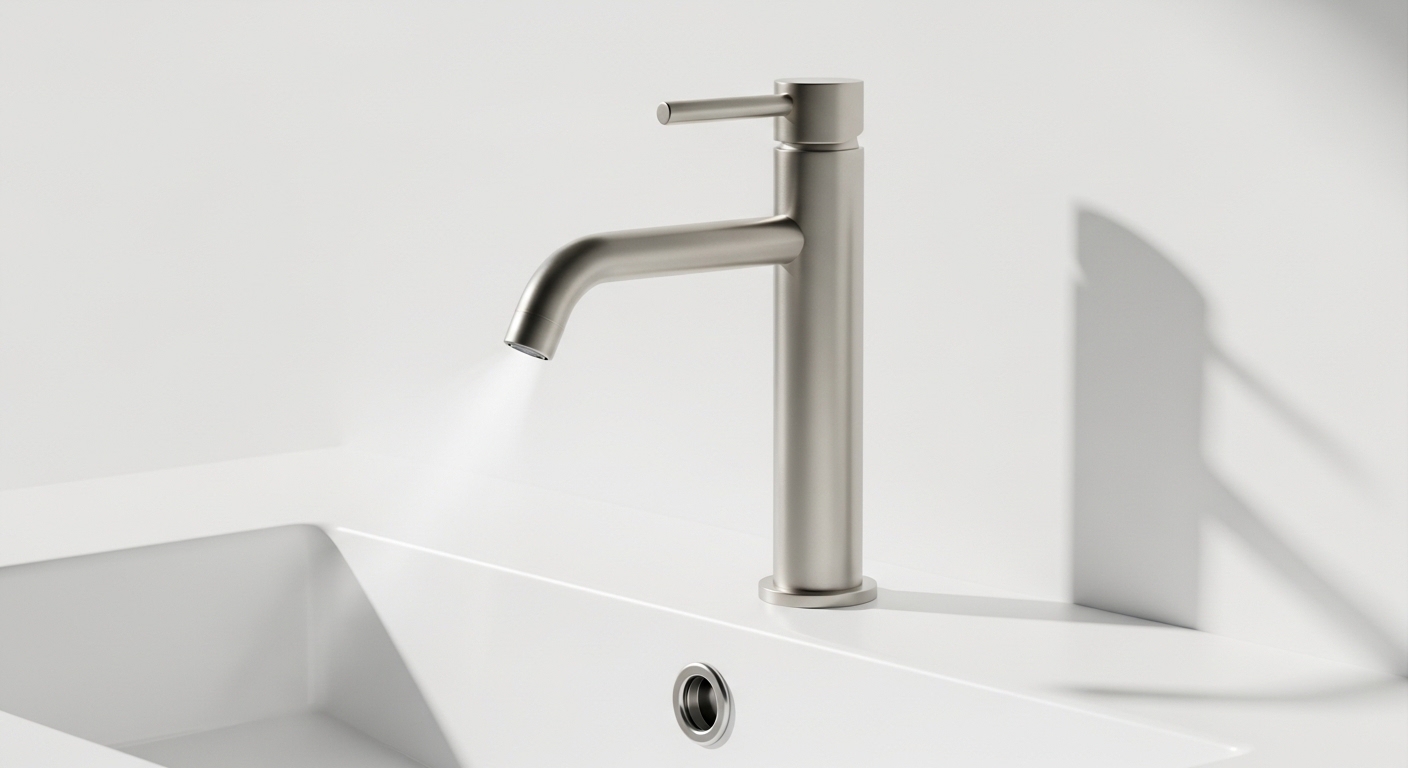
The Zura bathroom faucet is a contemporary, high-arc lavatory faucet defined by its skinny cylindrical spout and lever handle(s), and it comes in three mounting styles so you can drop it into almost any standard bathroom sink. If you’re shopping this line, the single most important decision isn’t the finish — it’s confirming how many holes your sink or countertop has, because Zura is sold as a single-hole faucet, a 4-inch centerset, and an 8-to-16-inch widespread. Get that right and the rest (finish, valve, install) is easy. Below, I’ll walk you through exactly which version fits your setup, what the specs actually mean day to day, how it compares to other modern faucets, and whether the price holds up in 2026.
What exactly is a Zura bathroom faucet, and who is it for?
A Zura bathroom faucet is a modern, minimalist lavatory faucet built around a narrow tubular spout and clean lever styling — think of it as the « architectural » look for a bathroom sink without going full industrial. It’s for anyone renovating a powder room, primary bath, or guest bath who wants a current, uncluttered aesthetic but still expects reliable, no-drama performance for years.
The design language matters here because so many faucets in this price bracket look bulky or dated within a couple of years. The Zura’s slim spout reads as intentional and expensive even though it’s a mid-range price. It pairs especially well with rectangular vessel-style or undermount sinks and flat-front vanities. If your bathroom leans traditional — curved cabinetry, ornate tile, warm wood — a high-arc tubular faucet can look slightly out of place, and you might be happier with a classic widespread. For contemporary and transitional bathrooms, though, it’s a strong match.
Two practical things to know before you fall in love with the look. First, high-arc spouts create more splash in a shallow sink, so pair it with a bowl that has some depth. Second, the tall spout is a genuine convenience for washing your face and rinsing — you get real clearance under the water, which is something people underestimate until they live with a stubby faucet.
Which Zura version fits my sink — single-hole, centerset, or widespread?
Match the faucet to the number of pre-drilled holes in your sink or countertop: one hole means single-hole, three holes spaced 4 inches apart means centerset, and three holes spaced 8 to 16 inches apart means widespread. Count the holes first — this decision is dictated by your sink, not your taste.
Here’s the quick logic. A single-hole faucet uses one deck hole and one lever; it’s the cleanest look and the easiest install. A centerset covers three holes on a 4-inch spread with a single base plate (escutcheon), often with one lever, so it hides existing three-hole drilling. A widespread uses three separate pieces — spout plus two independent handles — spread 8 inches or wider, which is the most upscale look and the most flexible for larger vanities. If you’re deciding between the three-piece layouts, our guide on whether a widespread single-handle faucet is the right choice breaks down the trade-offs in plain terms.
| Version | Sink holes needed | Handle setup | Best for |
|---|---|---|---|
| Single-hole | 1 hole | One lever | Modern minimalist look, small vanities, easiest install |
| Centerset (4″) | 3 holes, 4″ apart | One or two levers on a base plate | Replacing an older 3-hole faucet without re-drilling |
| Widespread (8″–16″) | 3 holes, 8″+ apart | Two separate levers + spout | Large or double vanities, most premium appearance |
One more tip if you’re buying a single-hole version for a sink that already has three holes: most single-hole faucets ship with an optional deck plate so you can cover the extra two holes. Confirm that’s included before checkout so you’re not stuck with two exposed holes flanking your new faucet.
What finishes does the Zura come in, and which one hides water spots best?
The Zura is typically offered in the core modern finishes — chrome, brushed/spotshield nickel, matte black, and champagne bronze — and if you’re fighting hard water and fingerprints, a brushed nickel or a spot-resistant finish hides spotting far better than polished chrome or matte black. Shiny and very dark finishes show every water droplet and smudge; brushed textures diffuse them.
Here’s the honest breakdown of how each finish lives in a real bathroom:
- Chrome: The most budget-friendly and easiest to find matching accessories for. Downside: it shows water spots and fingerprints readily, so it needs more frequent wiping in a hard-water home.
- Brushed / SpotShield nickel: The best all-arounder. The brushed texture and spot-resistant coating hide mineral spotting and smudges, so it looks clean with minimal effort. Warm neutral tone that works with almost any tile.
- Matte black: Bold and on-trend, but it shows dried water spots (white mineral haze) and toothpaste flecks more than people expect. Beautiful in a low-hardness home; higher maintenance where water is hard.
- Champagne bronze: A warm, soft gold that reads luxe and pairs well with cream and wood tones. Hides spotting reasonably well and has been one of the most popular modern finishes.
If your home has hard water, finish choice is only half the battle — mineral buildup also clogs aerators and dulls any finish over time. A tap-end or sink filter can genuinely extend how good your fixtures look and how well they flow; see our take on whether you really need a faucet water filter for your bathroom sink.
Is the Zura easy to install yourself, or do I need a plumber?
For most homeowners, a single-hole or centerset Zura is a very doable weekend DIY — plan on 45 to 90 minutes with basic tools — while a widespread is a bit more involved because you’re connecting three separate pieces under the deck. If you can shut off the water and turn a wrench, you can likely handle the single-hole and centerset versions.
The general process looks like this:
- Shut off the hot and cold supply valves under the sink and open the faucet to release pressure.
- Disconnect and remove the old faucet — the trickiest part is often the corroded old mounting nuts. If yours are stubborn, our walkthrough on removing old taps from a sink without wrecking the plumbing will save you a lot of frustration.
- Clean the deck, feed the new faucet through the hole(s), and secure it from below with the mounting hardware.
- Connect the supply lines — hand-tighten, then a gentle quarter turn with a wrench. Don’t overtighten.
- Turn the water back on slowly, run it, and check every connection for drips.
Two things that trip people up: forgetting to install the pop-up drain assembly (bathroom faucets usually include one, and it takes as long as the faucet itself), and cranking supply-line connections too tight, which distorts the washers and causes leaks. Snug is right; gorilla-tight is wrong. If you’re not comfortable working under the sink, a plumber will typically install a bathroom faucet in under an hour.
How does the Zura’s valve hold up, and will it drip over time?
The Zura uses ceramic-disc valve cartridges, which are the industry’s most durable and drip-resistant valve type — they’re rated for hundreds of thousands of on/off cycles and resist the wear that makes cheaper rubber-washer faucets drip within a year or two. In everyday terms: a quality ceramic-disc faucet should give you many years of drip-free use, and when it eventually does wear, you replace an inexpensive cartridge rather than the whole faucet.
This is the spec that actually predicts long-term happiness, more than finish or looks. Ceramic discs are two polished ceramic plates that slide against each other; they don’t degrade the way rubber seats and springs do. It’s the same valve technology we praise in our roundup of the best kitchen faucets with ceramic valves, and the benefit is identical on a bathroom sink: fewer leaks, smoother handle feel, and easy repair.
That said, no faucet is immune forever. If a bathroom faucet does start to drip or weep years down the line, it’s almost always the cartridge, an O-ring, or an aerator — all cheap, replaceable parts. If you’re troubleshooting a drip on any bathroom faucet, our guide on why your bathroom faucet is leaking and how to stop it walks through the exact diagnosis, and it applies directly to the Zura.
How does the Zura compare to other modern bathroom faucets?
Against comparable modern faucets, the Zura’s edge is its distinctive slim spout and the backing of a lifetime warranty on both finish and function; its trade-off is a higher price than generic big-box faucets and a very contemporary look that won’t suit traditional baths. Here’s how it stacks up on the factors that matter.
| Factor | Zura bathroom faucet | Generic budget modern faucet | Traditional widespread faucet |
|---|---|---|---|
| Valve type | Ceramic disc | Often ceramic, quality varies | Ceramic or compression |
| Look | Slim, architectural, modern | Generic modern | Classic, curved |
| Warranty | Typically lifetime (finish + function) | 1–5 years | Varies |
| Finish durability | Spot-resistant options available | Basic | Varies |
| Price tier | Mid-range | Low | Low to high |
The takeaway: if you just want water to come out and you’ll replace the faucet in a few years anyway, a generic budget faucet is fine. If you want a design-forward faucet that still looks and works great in year eight, the Zura earns its price through valve quality, finish durability, and warranty. And if your bathroom is traditional, a curved widespread may simply suit the room better regardless of specs — see where to find a widespread bathroom faucet worth buying near you for that route.
Is the Zura bathroom faucet worth the price in 2026?
For most buyers, yes — the Zura sits in the sweet spot where you’re paying a moderate premium over a throwaway faucet to get a genuinely durable, good-looking fixture with a lifetime warranty, which usually costs less over ten years than replacing a cheap faucet twice. Value in faucets isn’t the sticker price; it’s cost per year of trouble-free use.
Where the Zura is clearly worth it: contemporary or transitional bathrooms, homeowners who care about the finish still looking sharp years later, and anyone who’d rather buy once. Where it might not be: a rental you’ll flip quickly, a strictly traditional bathroom, or a very tight budget where any working faucet will do. If you’re on the fence, remember that the valve and warranty are what you’re really paying for, and those are exactly the things that determine whether you’re back at the store in two years.
FAQ
Does the Zura bathroom faucet come with a drain assembly?
Most Zura bathroom faucet lavatory models include a matching metal pop-up drain assembly, but always confirm on the specific listing before buying. The drain finish is designed to match the faucet, so you get a coordinated look. Budget the same install time for the drain as for the faucet itself — it’s the step people forget.
What’s the difference between the single-hole and widespread Zura?
The single-hole version installs in one deck hole with one lever for the cleanest, simplest look, while the widespread uses three separate pieces (spout plus two handles) across an 8-inch-or-wider spread for a more premium, spacious appearance. Your sink’s existing hole layout usually makes the decision for you. The widespread suits larger and double vanities; the single-hole suits compact modern sinks.
Will the Zura’s finish wear off or discolor over time?
Quality modern finishes like brushed nickel, matte black, and champagne bronze are engineered to resist tarnishing and corrosion, and reputable lines back the finish with a lifetime warranty against fading or discoloring under normal use. Hard water is the main enemy — it leaves mineral spotting that dulls any finish if not wiped occasionally. A brushed or spot-resistant finish plus routine cleaning keeps it looking new.
How do I clean a Zura faucet without damaging the finish?
Wipe it with a soft cloth and mild soapy water, then dry it — skip abrasive pads, ammonia, bleach, and harsh bathroom cleaners, which can etch or dull the finish. For stubborn mineral spots, a cloth dampened with equal parts white vinegar and water, left briefly and then rinsed and dried, lifts hard-water haze safely. Never soak a matte or coated finish in straight vinegar for long periods.
What should I do if my Zura faucet starts dripping?
A drip almost always means a worn ceramic cartridge, O-ring, or a clogged aerator — all inexpensive, replaceable parts, not a reason to buy a new faucet. Shut off the supply valves, disassemble the handle, and inspect the cartridge; if it’s scored or crusted with minerals, swap it. Because the Zura uses ceramic-disc valves, drips are uncommon, and when they happen the fix is quick and cheap.
Is the Zura available in a touchless or electronic version?
The Zura family is best known for its manual lever faucets, though some Zura kitchen models offer touch or touchless technology; bathroom versions are typically standard manual operation. If you do run a touchless faucet elsewhere in the home and it acts up, our guide on diagnosing a touchless faucet that isn’t working covers the common sensor and battery fixes.
About the author & why you can trust this guide
This guide was written by the arcorarobinet product team — we specialize in faucets, showers, and bathroom fixtures, and we spend our days testing valves, finishes, and mounting hardware across dozens of faucet lines. At arcorarobinet (www.arcorarobinet.com), our recommendations are grounded in hands-on installation and long-term durability testing, not spec sheets alone. When we talk about ceramic-disc valve longevity or finish durability, we’re referencing the same industry standards (like ceramic cartridges rated for hundreds of thousands of cycles and lifetime finish warranties) that reputable manufacturers publish and stand behind. Always register your faucet and keep your receipt so you can use that warranty if you ever need it — it’s one of the strongest reasons to buy a name-brand faucet like the Zura in the first place.



您好!Veuillez vous connecter