 ARCORA ROBINETS
Is a Bidet Lever Tap the Right Choice for Your Bathroom, and How Do You Pick a Good One?
Vues:0 ClassificationProduct
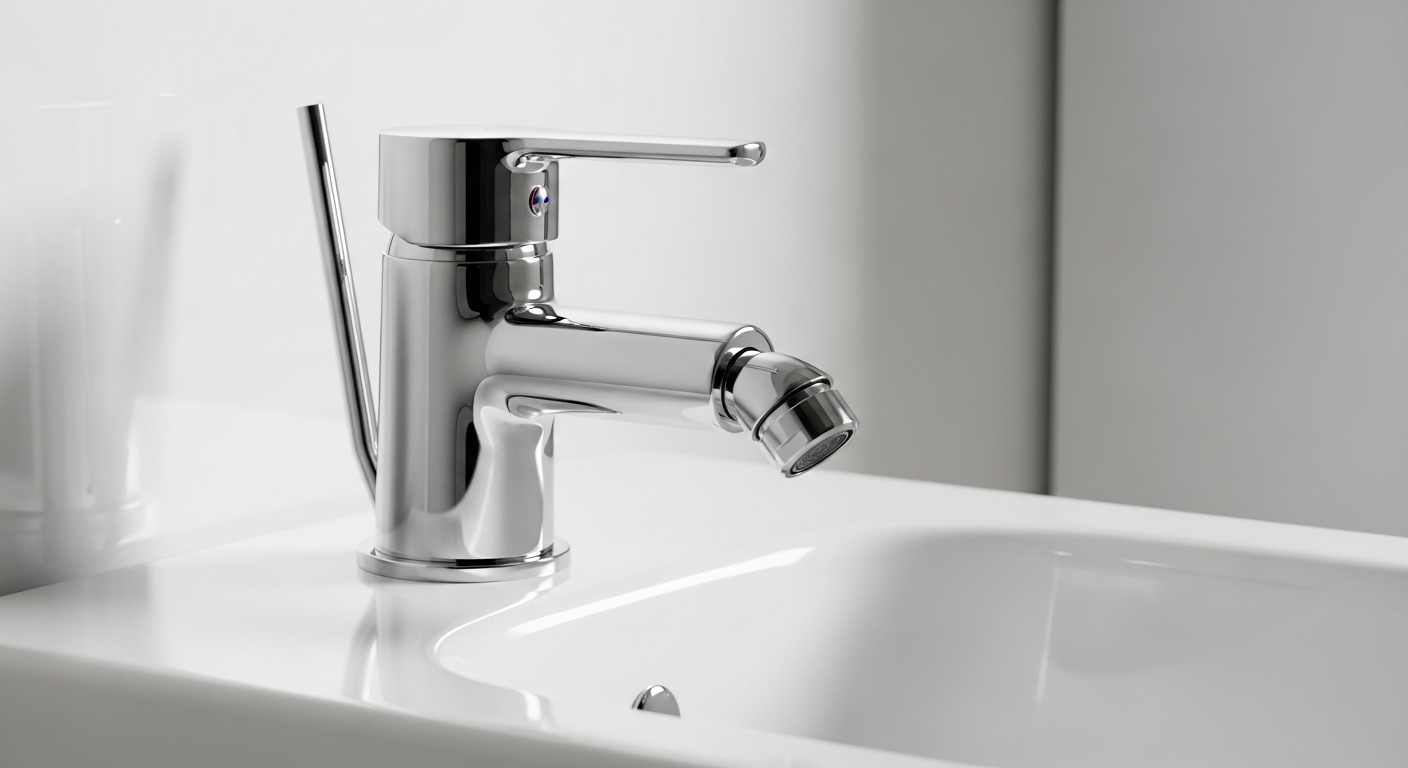
If you’ve ever stood in a bathroom showroom trying to figure out why you can’t just put a regular basin tap on your bidet, you’re asking exactly the right question. A bidet lever tap looks similar to a basin faucet at a glance, but it’s a different animal: the spout is set at a lower, more forward angle so the water arcs cleanly into the bowl, and the lever gives you fast, intuitive control over both flow and temperature with one hand — which matters a lot when you’re seated. Below, we’ll walk through when it’s worth it, how to choose the right model for your setup and budget, and what separates a tap that lasts 15 years from one that drips within 18 months.
What exactly is a bidet lever tap, and how is it different from a basin tap?
A bidet lever tap is a mixer designed for a standalone bidet, with a single lever that blends hot and cold water and a spout angled to deliver a controlled stream into the bowl. The key differences from a standard basin tap are the spout geometry, the height, and almost always an integrated pop-up waste lever behind the spout.
On a basin (bathroom sink) tap, the spout is tall and pointed roughly straight down or slightly forward — it’s designed to fill a sink and let you wash your hands. On a bidet, the fixture sits lower, you sit close to it, and the water needs to reach the center of the bowl at a comfortable angle without splashing. That’s why a proper bidet tap has a shorter, lower, more forward-reaching spout. Many models also use an aerator or a softer laminar stream so the water feels gentle rather than harsh.
The lever itself is the star. A single-lever cartridge lets you go from cold to warm to hot in one smooth motion, and dial the pressure at the same time — no fumbling with two separate hot/cold handles while you’re mid-use. If you specifically want dual-temperature control and want to understand how the mixing works internally, our deep dive on how a hot-and-cold bidet mixer actually works breaks down the cartridge mechanics in detail.
Do you actually need a bidet lever tap, or will a regular tap do?
You need a purpose-built bidet lever tap if you have a standalone (ceramic) bidet — a regular basin tap will technically screw into the same hole, but it will spray at the wrong angle, splash over the rim, and usually lack the pop-up waste the bidet is drilled for. If instead you have a bidet-toilet combo or a spray attachment, you don’t need this tap at all.
Here’s the honest breakdown by scenario:
- You have a floor- or wall-mounted ceramic bidet: Yes — a dedicated bidet lever tap is the correct fixture. It’s what the bowl was designed around.
- You’re adding a handheld bidet sprayer to an existing toilet: No — you want a sprayer kit with a T-valve, not a deck-mounted lever tap.
- You have an electronic bidet seat (washlet): No — those draw water internally and heat it electrically; a lever tap is irrelevant.
- You’re renovating and the bidet already has a single tap hole: A single-lever bidet tap is a near drop-in replacement.
The reason the dedicated tap matters is comfort and cleanliness. A basin tap’s straight-down stream on a bidet either hits the front rim or overshoots, and the missing pop-up means you can’t hold water in the bowl. For maybe $30–$90 more than repurposing a random tap, you get a fixture that actually fits the job.
How much should you spend on a bidet lever tap in 2026?
For a bidet lever tap that will genuinely last, budget $60–$180 for a solid mid-range unit; premium designer models run $200–$450. Anything under about $40 almost always uses a zinc-alloy body and a rubber-washer valve that will start dripping within a year or two.
Price tracks three things: the body material, the cartridge, and the finish. A brass body resists corrosion and holds threads better than zinc alloy. A ceramic disc cartridge — the same technology we recommend in our guide to kitchen faucets with ceramic valves — gives you a lifetime of quarter-turn on/off with no washer to wear out. And the finish determines both looks and how well it survives daily splashing and cleaning products.
Here’s how the tiers actually stack up:
| Price Tier | Typical Body | Cartridge | Finish Quality | Realistic Lifespan |
|---|---|---|---|---|
| Budget ($20–$40) | Zinc alloy | Rubber washer / cheap ceramic | Thin electroplate, flakes | 1–3 years |
| Mid-range ($60–$180) | Solid brass | 35mm ceramic disc | Multi-layer chrome/PVD | 10–15 years |
| Premium ($200–$450) | Forged brass | Sedal/Kerox ceramic | PVD, brushed, matte options | 15–25 years |
The sweet spot for most homeowners is the mid-range tier. You’re paying for a brass body and a quality ceramic cartridge — the two parts that determine whether the tap leaks — without paying a premium purely for a designer name or an exotic matte finish.
Which finish should you choose for a bidet lever tap — chrome, brushed nickel, or matte black?
For most bathrooms, polished chrome is the safest, easiest-to-clean, and most budget-friendly choice; brushed nickel hides water spots best; and matte black looks stunning but shows limescale and needs more careful cleaning. Match the bidet tap to your basin and shower fittings so the room reads as one set.
A few practical notes from years of fielding customer questions:
- Polished chrome is the workhorse. It’s the most durable everyday finish, resists corrosion, and wipes clean with a damp cloth. Downside: it shows fingerprints and water droplets.
- Brushed nickel / brushed stainless has a warm, satin look and is the best at hiding spots and fingerprints — ideal if you hate constant wiping.
- Matte black and PVD colors (brushed gold, gunmetal) are the design darlings of 2026. Just know that hard-water areas will show white limescale rings on black, so you’ll want to dry the spout after use.
Whatever you pick, confirm it’s a PVD (physical vapor deposition) or multi-layer electroplated finish, not a painted coating. Painted finishes chip. If yours ever does wear at the edges, our article on the best touch-up paint for worn faucet spots covers how to fix small blemishes without replacing the whole tap.
How do you install a bidet lever tap yourself?
Installing a bidet lever tap is a genuine DIY job for most people — plan on 45–90 minutes with basic tools. The core steps are: shut off the water, remove the old tap, seat the new tap through the bidet hole, connect the supply hoses, fit the pop-up waste, and test for leaks.
Here’s the sequence in plain order:
- Turn off the hot and cold isolation valves under the bidet (or the main supply if there are no local shut-offs) and open the tap to release pressure.
- Disconnect and remove the old tap. Loosen the supply hose nuts, undo the backnut underneath, and lift the old unit out. If it’s seized, our guide on removing old taps without wrecking the plumbing walks through freeing corroded fittings.
- Fit the new tap. Drop the rubber/foam gasket onto the tap base, feed the flexible tails and any threaded stud through the single hole, then tighten the backnut from below by hand plus a quarter-turn with a wrench.
- Connect the supply hoses — hot to the left inlet, cold to the right — using the new fiber or rubber washers. Don’t overtighten; snug plus a nudge is enough.
- Assemble the pop-up waste, linking the lift rod behind the spout to the drain plug so you can open and close the bowl outlet.
- Slowly reopen the valves and test. Run hot and cold, check the swing of the lever, and feel every joint underneath for moisture.
The two spots that cause 90% of post-install leaks are the supply hose connections and the pop-up waste gasket. Snug them properly and dry-check with a paper towel after ten minutes of use. If a drip does show up down the line, our troubleshooting guide on why bathroom faucets leak and how to stop it covers the usual culprits — a loose backnut, a worn hose washer, or a cartridge that needs re-seating.
What features actually matter when you’re comparing bidet lever taps?
The features that truly affect daily performance are the cartridge type, the spout swivel, the aerator, and whether the tap includes a matching pop-up waste. Fancy extras like flow-limiter cartridges and cold-start (eco) mixing are nice-to-haves, not deal-breakers.
Run through this checklist before you buy:
- Ceramic disc cartridge (35mm or 40mm): Non-negotiable. It’s the part that decides whether the tap drips in year two or year twelve.
- Swivel spout: A spout that swings 90–360° makes cleaning the bowl far easier. Fixed spouts are fine but less flexible.
- Adjustable aerator: Look for a stream that can be angled or that produces a soft, splash-free flow. Removable aerators are easier to descale.
- Included pop-up waste: Many bidet taps sell the waste separately. Confirm it’s in the box, or budget another $15–$30.
- Cold-start / eco cartridge: When the lever is centered, water starts cold instead of pulling from the boiler — a small energy saver.
- WELS / low-flow rating: A 5–6 L/min flow rate is plenty for a bidet and cuts water use.
If your home has hard water, prioritize a removable aerator and a ceramic cartridge, because limescale is the number-one thing that kills stream quality and smooth lever action. A quick vinegar soak of the aerator every few months keeps the flow crisp.
What are the common problems with bidet lever taps, and how do you avoid them?
The most common bidet lever tap problems are dripping spouts (worn cartridge), a stiff or loose lever, limescale-clogged aerators, and leaks at the base — and nearly all of them trace back to buying a cheap tap or skipping proper installation. Choosing a brass body with a ceramic cartridge prevents most of them from the start.
Quick fixes for each:
- Dripping from the spout: Almost always the cartridge. On a quality tap you can unscrew the lever, pull the ceramic cartridge, and swap in an identical replacement in 15 minutes.
- Weak or splashy stream: Unscrew the aerator, soak it in white vinegar overnight to dissolve limescale, rinse, and refit.
- Stiff lever: Usually a dry or scaled cartridge — replacing it restores smooth action.
- Leak at the base of the tap: The base gasket or backnut has loosened; retighten from underneath.
Because a properly built bidet tap uses the same ceramic-cartridge and pop-up-waste architecture as a good basin mixer, the repair knowledge transfers directly across your bathroom fittings — learn it once and you can service nearly every tap in the house.
Bidet lever tap vs. two-tap and wall-mounted alternatives
A single-lever bidet tap beats traditional two-tap (separate hot/cold) sets on convenience and beats wall-mounted taps on installation ease — but wall-mounted mixers look cleaner and free up rim space if you’re renovating from scratch. Here’s the direct comparison:
| Type | Temp Control | Install Difficulty | Best For |
|---|---|---|---|
| Single-lever deck tap | One-hand, instant blend | Easy (drop-in) | Most homes, retrofits |
| Two-tap (pillar) set | Separate hot/cold handles | Easy but two holes | Traditional / period bathrooms |
| Wall-mounted mixer | One-hand blend | Hard (in-wall plumbing) | New builds, minimalist design |
For the vast majority of buyers replacing an existing bidet tap, the single-lever deck-mounted model is the clear winner: it fits the standard single hole, gives you the best temperature control, and installs without opening a wall. Reserve wall-mounted mixers for ground-up renovations where a plumber is already rough-plumbing the room.
FAQ
Can I use a regular basin tap on a bidet?
You physically can — the tap hole is the same size — but you shouldn’t. A basin tap’s spout is too tall and angled wrong, so water splashes over the bidet rim, and it won’t include the pop-up waste linkage the bidet is drilled for. A dedicated bidet lever tap solves both.
Do bidet lever taps come with a pop-up waste included?
Some do, some don’t — it varies by brand and model. Always check the product listing. If the waste isn’t included, budget an extra $15–$30 for a matching pop-up assembly in the same finish, otherwise you can’t hold water in the bowl.
What size is a standard bidet tap hole?
Most ceramic bidets are drilled for a single 35mm tap hole, the same standard used for single-lever basin mixers. A few older or European bidets have two or three holes for pillar taps. Measure your existing hole (or count the holes) before ordering.
Are matte black bidet taps hard to keep clean?
They’re not hard to clean, but in hard-water areas they show white limescale spots more readily than chrome or brushed nickel. Wipe the spout dry after use and clean with a soft cloth and mild soap — avoid abrasive or acidic cleaners, which can dull a PVD or powder-coated black finish over time.
How long should a good bidet lever tap last?
A mid-range brass tap with a ceramic disc cartridge should last 10–15 years, and premium forged-brass models often exceed 20. The cartridge is the only wear part, and even that is a cheap, 15-minute replacement. Cheap zinc-alloy taps, by contrast, often fail within 1–3 years.
Do I need hot water plumbed to my bidet?
Not necessarily — a single-lever bidet tap works with just cold if that’s all that’s plumbed, but you lose the main comfort benefit. If you have hot and cold isolation valves under the bidet, a lever mixer lets you blend to a comfortable warm temperature, which is why most people install one over a cold-only tap.
The bottom line
A bidet lever tap is worth it if you own a standalone ceramic bidet and want quick, one-hand temperature control that fits the bowl properly. Spend in the $60–$180 mid-range, insist on a solid brass body and a ceramic disc cartridge, confirm whether the pop-up waste is included, and match the finish to the rest of your bathroom. Do that, and you’ll have a fixture that performs beautifully and needs almost nothing from you for a decade or more.
About the author: This guide was written by the product team at arcorarobinet, who have specified, tested, and installed bathroom mixers for both residential and commercial projects for over a decade. We bench-test every tap we sell for cartridge cycle life and finish durability.
About arcorarobinet: arcorarobinet is a specialist manufacturer and retailer of faucets and bathroom fixtures, engineering our mixers with solid-brass bodies and third-party-tested ceramic cartridges. Our bidet and basin taps are pressure-tested and quality-checked against international standards (EN 200 / cUPC where applicable) and backed by a multi-year limited warranty against manufacturing and finish defects.



您好!Veuillez vous connecter